




Fertility Tips: Top 5 Fruits to Avoid While Trying to Conceive
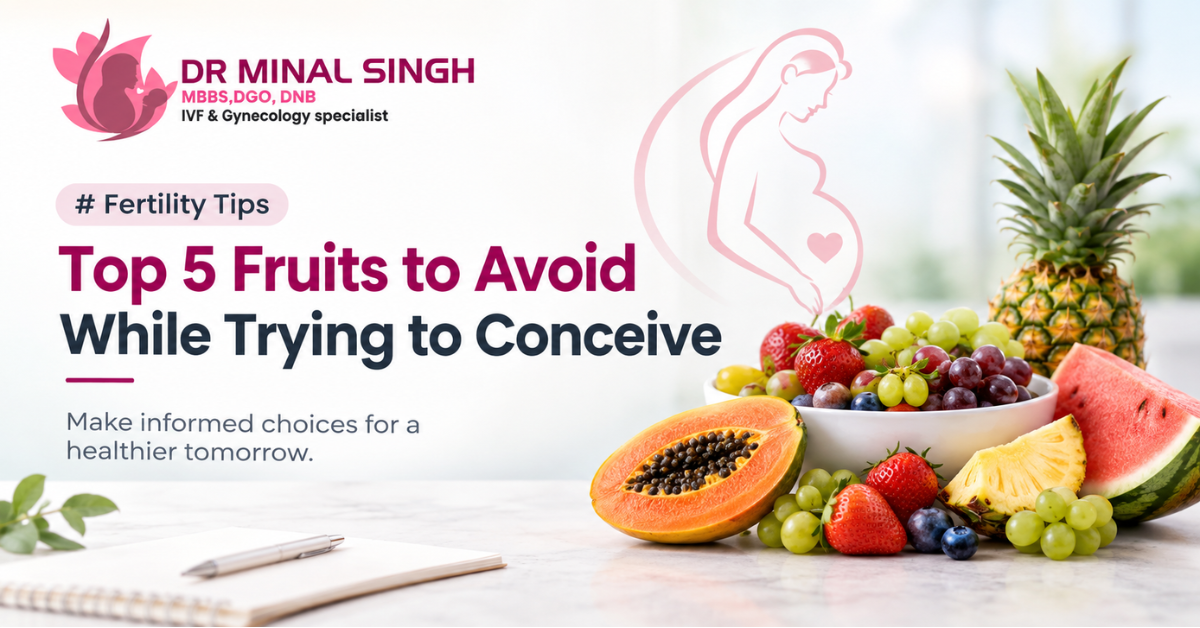


The top 5 fruits to avoid while trying to conceive (or limit) are:
Most fruits are healthy for fertility. The goal is to be mindful of quantity, ripeness, and quality, not to cut out fruit completely.
Every couple trying to conceive gets plenty of advice from family, friends, and the internet, and a lot of it is about food. Fruit is one of the most debated topics. Is papaya really unsafe? Does pineapple affect implantation? Can too much mango hurt your chances?
The truth is more balanced than the myths. Fruits are rich in antioxidants, folate, and vitamin C, all of which support reproductive health. But a few fruits, or the way you eat them, may work against you.
This guide explains the top 5 fruits to avoid while trying to conceive, what science says, and how to make smart choices. It is general information, so please speak to a fertility specialist for advice that fits your body.
Food affects hormone balance, blood sugar, inflammation, and egg and sperm quality. Poor eating habits can worsen conditions like PCOS and insulin resistance, which are linked to ovulation problems. The World Health Organization notes that infertility affects roughly one in six people worldwide, so lifestyle choices are worth paying attention to.
Here is how the five fruits fit in.
Papaya is the fruit most often mentioned in fertility discussions. Raw and semi-ripe papaya contains latex and papain, compounds traditionally believed to trigger uterine contractions and affect hormone balance. This is why it is strongly avoided in pregnancy.
What to do: Skip raw or green papaya while trying to conceive. Fully ripe papaya in small portions is generally considered low-risk, but if you have irregular cycles or a history of miscarriage, ask your doctor first.
Pineapple contains bromelain, an enzyme that is concentrated in the core. Some people believe large amounts may soften the cervix or affect implantation. The scientific evidence is limited, and you would need to eat a very large quantity for any effect. Still, many fertility experts suggest caution during the two-week wait after ovulation.
What to do: Avoid the core and large servings. A few small slices are unlikely to cause harm for most women.
Fresh fruit and processed fruit are not the same. Canned fruits in syrup and store-bought juices are loaded with added sugar and lack the fibre that slows sugar absorption. Frequent blood sugar spikes can worsen insulin resistance, which interferes with ovulation, especially in women with PCOS.
Some cans also have linings that may contain BPA, a chemical linked to hormone disruption.
What to do: Choose fresh whole fruit over juice or syrup-packed fruit. If you use canned fruit, pick the “in water” or “no added sugar” kind.
Lychee, ripe mango, and grapes are delicious, but they are high on the glycaemic scale when eaten in large amounts. Too much can push blood sugar up quickly, which matters if you have PCOS, diabetes, or are overweight.
This does not mean these fruits are forbidden. Portion size is what matters.
What to do: Limit yourself to one small portion a day and pair fruit with protein or nuts, such as a few almonds with mango slices, to slow sugar absorption.
Some fruits regularly carry higher pesticide residues. The Environmental Working Group publishes a yearly Dirty Dozen list of produce with the most residues. Research suggests heavy pesticide exposure may affect reproductive health, though more studies are needed.
What to do: Wash all fruit thoroughly under running water, soak it for a few minutes, and peel when possible. Choose organic for the most affected fruits if your budget allows.
Don’t let this list make you afraid of fruit. These choices are widely recommended:
The NHS advises a balanced diet and 400 micrograms of folic acid daily when trying for a baby, so talk to your doctor about supplements too.
Remember that food is only one piece of the puzzle. Age, hormones, sperm quality, tubal health, and underlying conditions all play a role in conception.
Consider consulting a doctor if:
If you are looking for expert guidance, consulting an experienced IVF Doctor in Uttam Nagar Delhi can help you understand your options, from diet and lifestyle plans to advanced treatments. You can learn more about her approach and experience on the profile page of Dr Minal Singh.
Raw or unripe papaya, large amounts of pineapple (especially the core), sugary canned fruits and juices, excess high-sugar fruits like lychee and mango, and unwashed pesticide-heavy fruits are the main ones to limit or avoid.
Raw or semi-ripe papaya is best avoided because of its latex and papain content. Fully ripe papaya in small amounts is generally considered safe, but check with your doctor if you have fertility concerns.
Yes, in moderation. Avoid the core and large portions, especially after ovulation. Evidence of harm is limited, but caution is common advice.
Yes, in small portions. Mango is nutritious but high in sugar, so women with PCOS or diabetes should watch the quantity.
Whole fruit is better. Packaged juices contain added sugar and little fibre, which can spike blood sugar.
Around 2 to 3 servings of a variety of fresh fruits is a healthy target for most women.
Yes. Antioxidant-rich fruits like oranges, pomegranates, and berries support sperm health, while excess sugar and processed foods may harm it.
Yes. Diet helps, but it cannot solve every cause of infertility. A specialist can run the right tests and guide you.
The top 5 fruits to avoid while trying to conceive are raw papaya, pineapple core and excess pineapple, sugary canned fruits and juices, very high-sugar fruits in large amounts, and unwashed pesticide-heavy fruits. Most of these are about moderation, ripeness, and preparation rather than strict bans.
Eat a colourful, balanced diet, wash your produce well, and stay in touch with your doctor. If conception is taking longer than expected, don’t wait too long to get professional help. Early guidance can save time and stress on your journey to parenthood.
Disclaimer: This blog is for educational purposes only and is not a substitute for medical advice. Please consult a qualified doctor before making changes to your diet or treatment.
 Optimized by Seraphinite Accelerator